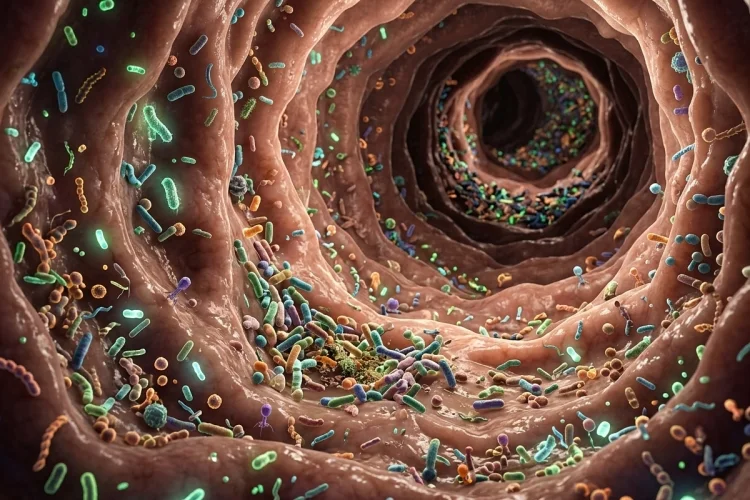
Your digestive tract is home to an enormous community of microscopic organisms. They live on the food you eat, interact with your immune system, and produce substances that may influence processes throughout your body.
This community is known as the gut microbiome. It includes bacteria, viruses, fungi, and other microorganisms, most of which live in the large intestine.
Although the idea of carrying trillions of microbes may sound alarming, many of them coexist peacefully with us and perform useful functions.
Researchers have connected changes in the gut microbiome with digestive, metabolic, immune, and other health conditions. However, this does not mean scientists can identify one perfect microbial community or blame every symptom on “bad gut bacteria.”
The gut is a highly individual and constantly changing environment. Diet, medication, age, illness, lifestyle, genetics, and environmental exposure can all shape it.
Understanding what the gut microbiome is-and what research can genuinely tell us-can help you care for your digestive health without falling for exaggerated detoxes or miracle supplements.
What Exactly Is the Gut Microbiome?
The term microbiota generally refers to the microorganisms living in a particular environment. The word microbiome may refer more broadly to those organisms, their genetic material, and the surrounding biological environment.
In everyday health discussions, the terms are often used interchangeably. The gut microbiome usually means the complete microbial ecosystem living throughout your digestive tract, particularly in the colon.
This ecosystem includes many different species that interact with one another and with the human body. Some microbes benefit from the food and shelter your intestines provide, while your body may benefit from the substances they produce.
Not every microbe is automatically “good” or “bad.” The same organism may behave differently depending on its location, abundance, neighbouring microbes, and the health of its host. This complexity is why defining a universally healthy microbiome remains difficult.
What Does the Gut Microbiome Do?
It Helps Process Food
Human digestive enzymes cannot completely break down every component of food. Certain gut microbes help ferment substances that reach the large intestine, particularly forms of dietary fibre.
During fermentation, microbes produce compounds such as short-chain fatty acids. These substances can provide energy to cells lining the colon and participate in metabolic and immune processes.
This is one reason fibre does more than support regular bowel movements. It also provides material that selected intestinal microbes can use.
It Interacts with the Immune System
The gut contains a large amount of immune tissue and acts as an important meeting point between the body and the outside environment.
Gut microbes communicate with immune cells and may help the immune system respond appropriately to harmless and harmful substances.
The microbiome can also contribute to resistance against unwanted organisms by occupying space, using available nutrients, and producing substances that make the environment less favourable to certain pathogens.
These relationships are complicated. Scientists are still investigating how microbial changes contribute to inflammation and whether they are causes, consequences, or both in particular diseases.
What Shapes Your Gut Microbiome?
Your gut microbiome begins developing early in life and changes as you age. Birth circumstances, infant feeding, diet, infections, living environment, and medication exposure may all influence its development.
Diet is one of its most important modifiable influences. Different eating patterns provide different nutrients and substrates for microbes, which can change their composition and activity. These responses vary significantly between individuals.
Antibiotics can also alter microbial communities because they kill susceptible bacteria alongside the organisms causing an infection.
This does not mean antibiotics should be avoided when medically necessary. They can be lifesaving, but they should be used according to professional advice rather than taken unnecessarily.
Other factors include age, sleep, physical activity, stress, smoking, illness, geography, sanitation, and environmental exposures. The microbiome is therefore not controlled by one food or habit.
How Diet Affects Gut Bacteria
Plant foods provide many types of fibre and other compounds that reach or interact with the intestines. Vegetables, fruits, beans, lentils, whole grains, nuts, and seeds can support a varied supply of nutrients for gut microbes.
Different microbes prefer different substrates. Eating a variety of plant foods may therefore support a broader range of microbial functions than relying on the same few ingredients every day.
Reviews consistently identify dietary pattern and food diversity as important influences on the gut microbiome.
A simple day might include oats and fruit for breakfast, beans and vegetables at lunch, and brown rice, tempeh, and mixed greens for dinner. You do not need imported superfoods or an expensive gut-health powder.
Increase fibre gradually if your current intake is low. A sudden increase may lead to temporary bloating, gas, or abdominal discomfort. Drinking enough fluid can also help fibre move comfortably through the digestive system.
Prebiotics, Probiotics, and Fermented Foods
Prebiotics are substances used by selected microorganisms in ways that may provide a health benefit. Many naturally occur in fibre-rich foods such as onions, garlic, oats, bananas, beans, and other plant ingredients.
Probiotics are live microorganisms that may provide a health benefit when consumed in adequate amounts. They can be found in certain supplements and fermented foods, although not every fermented product meets the scientific definition of a probiotic.
Yoghurt with live cultures, kefir, kimchi, sauerkraut, and tempeh can be included in a balanced diet. However, their microbial content and effects differ, and eating them does not guarantee that the organisms will permanently colonise your gut.
Probiotic benefits are often strain- and condition-specific. A product studied for one digestive problem cannot automatically be assumed to treat another. Evidence is promising for selected uses, but many marketing claims remain ahead of the research.
People with serious illnesses or weakened immune systems should discuss probiotic supplements with a healthcare professional because rare but significant complications can occur.
Does the Microbiome Control Your Weight or Mood?
The gut microbiome communicates with other body systems, including metabolic, immune, hormonal, and nervous pathways. This has led to growing interest in the gut-brain axis and possible connections with body weight, mood, and neurological health.
Associations have been observed between microbial patterns and conditions such as obesity, type 2 diabetes, inflammatory bowel disease, and several brain disorders. However, an association does not prove that a particular microbial change caused the condition.
People with an illness may eat differently, take medications, exercise less, or experience physiological changes that affect their microbes. The disease could alter the microbiome rather than the microbiome initiating the disease—or both could influence one another.
Claims that one probiotic can “fix” anxiety, guarantee weight loss, or prevent a complex disease should therefore be viewed cautiously. Microbiome science is developing rapidly, but it has not reduced health to a simple list of good and bad bacteria.
Can You Test the Health of Your Gut Microbiome?
Commercial stool tests may identify some of the microorganisms and genes present in a sample. They can produce interesting information, but their ability to provide personalised medical recommendations is still limited.
A stool sample represents only part of a complex intestinal environment. Microbial composition can also change over time depending on recent food, medication, illness, and other circumstances.
Scientists have not established one ideal microbiome profile that applies to everyone. Two healthy people may have noticeably different microbial communities while performing many of the same useful functions.
Be cautious when a commercial test recommends a large collection of supplements or claims to diagnose disease from microbiome data alone. Persistent digestive symptoms require proper medical evaluation, not only an at-home microbial report.
Practical Ways to Support Your Gut
Supporting the gut microbiome is generally less glamorous than marketing suggests. It begins with ordinary habits that also benefit overall health.
Eat varied plant foods, increase fibre gradually, drink enough water, and include fermented foods when you enjoy and tolerate them. Regular physical activity and adequate sleep may also support general digestive and metabolic health.
Avoid taking antibiotics unless they are medically appropriate, but do not reject necessary treatment out of fear of disrupting gut bacteria. Follow the prescribed dose and duration, and discuss side effects with the prescriber.
You also do not need to complete a cleanse. Your digestive system, liver, and kidneys already process and remove waste. Extremely restrictive detox plans may reduce nutrient intake without meaningfully “resetting” the microbiome.
Seek medical advice for persistent abdominal pain, blood in the stool, unexplained weight loss, ongoing diarrhoea, repeated vomiting, fever, or a lasting change in bowel habits.
The gut microbiome is a complex ecosystem of microorganisms living throughout the digestive tract. These microbes help process parts of food, produce useful compounds, interact with the immune system, and compete with potentially harmful organisms.
Your microbiome is shaped by many influences, including diet, medication, age, illness, and environment. There is no single ideal microbial profile, and probiotics or microbiome tests cannot solve every digestive or health problem.
Start with habits supported by broader nutrition evidence. Add another plant food to your meals, rotate your sources of fibre, stay hydrated, and enjoy fermented foods if they suit you.
A varied, balanced lifestyle is a more reliable way to care for your gut than chasing one supposedly perfect bacterium.