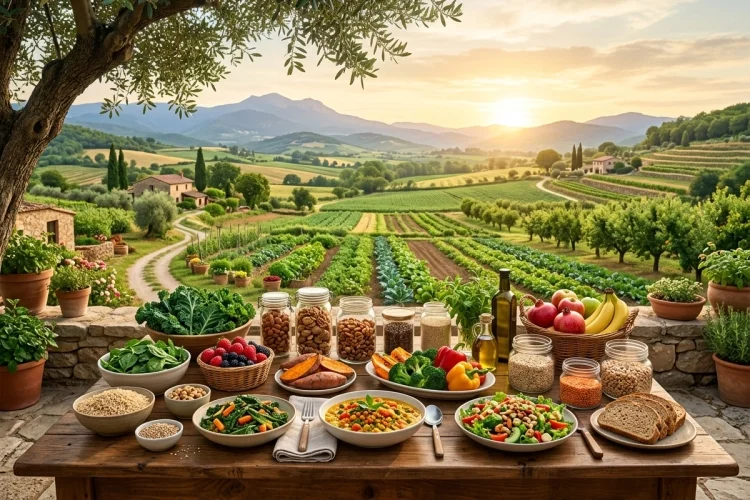
When people hear “plant-based diet,” they often imagine a life without burgers, cheese, eggs, or any other animal products. However, plant-based eating does not always mean becoming completely vegan.
So, what is a plant-based diet? It is an eating pattern that places foods from plants at the centre of most meals. Vegetables, fruits, whole grains, beans, lentils, nuts, seeds, herbs, and plant oils usually make up most of the diet.
Some people avoid animal products entirely, while others continue eating smaller amounts of fish, eggs, dairy, poultry, or meat. This flexibility is part of its appeal.
You do not necessarily need to give up your favourite family recipes or buy expensive meat substitutes. You can simply begin by adding more whole plant foods and reducing your reliance on heavily processed products.
A well-planned plant-based diet can provide protein, fibre, healthy fats, vitamins, minerals, and enough energy. However, food quality and nutritional planning still matter-especially when all animal-derived foods are excluded.
What Does “Plant-Based” Actually Mean?
Plant-based is a broad term rather than one strictly defined diet. In general, it describes an eating pattern that emphasises foods obtained from plants.
For one person, this might mean following a completely vegan diet. For someone else, it could mean eating vegetarian meals most of the week while occasionally including fish or chicken.
The American Heart Association uses the term “plant-forward” for a style of eating that prioritises vegetables, fruits, whole grains, legumes, nuts, and other plant foods without necessarily eliminating all animal products.
This makes plant-based eating different from veganism. A vegan diet excludes meat, fish, eggs, dairy products, and other animal-derived ingredients. Vegetarian diets usually exclude meat and fish but may include eggs or dairy.
The shared idea is that plants form the foundation of the diet rather than appearing only as a small side dish.
Which Foods Are Included?
A nutritious plant-based diet is built around whole or minimally processed foods. These include vegetables, fruit, beans, chickpeas, lentils, peas, whole grains, nuts, seeds, tofu, tempeh, and unsaturated plant oils.
Whole grains might include oats, brown rice, barley, quinoa, corn, and whole-wheat bread or pasta. Protein can come from beans, lentils, soy foods, nuts, seeds, and combinations of grains and legumes.
Plant-based eating can also include familiar and affordable ingredients. Rice with tempeh and vegetables, lentil soup with bread, or oatmeal with banana and peanuts can all fit the pattern.
Animal-derived foods may still appear depending on the version you follow. Someone eating a flexible plant-forward diet might add eggs to breakfast, yoghurt to oats, or fish to dinner while keeping most of the plate plant-based.
Is Every Plant-Based Food Healthy?
A food is not automatically nutritious simply because it contains no animal ingredients. Soft drinks, sweets, chips, refined bread, and some biscuits may be technically plant-based, but they do not form the foundation of a balanced diet.
The World Health Organization cautions that plant-based diets can differ greatly in nutritional quality. Whole and minimally processed foods should be prioritised when plant foods replace meat or dairy products.
Plant-based meat alternatives can be convenient, especially for people transitioning away from meat. However, some products may contain substantial sodium, saturated fat, or highly refined ingredients.
Check the nutrition label and ingredients list rather than assuming every vegan burger is healthier than every traditional option. Simple foods such as beans, tofu, tempeh, and lentils are often affordable, versatile alternatives.
The quality of the overall dietary pattern matters more than whether a product carries a plant-based label.
What Are the Potential Health Benefits?
Plant-centred eating patterns tend to provide plenty of fibre, vitamins, minerals, and beneficial plant compounds. They can also contain less saturated fat when beans, nuts, seeds, and unsaturated oils replace fatty or processed meats.
The American Heart Association notes that eating patterns rich in vegetables, fruits, whole grains, beans, legumes, and nuts are associated with better cardiovascular outcomes.
WHO also states that, for many adults, moving towards more plant-based protein sources may offer health benefits, particularly when they replace red meat.
Plant-based eating may also support weight management because vegetables, fruits, legumes, and whole grains can add fibre and volume to meals.
However, weight loss is not guaranteed. Large portions of oils, nuts, sweets, and refined foods can still provide more energy than your body needs.
These benefits are associated with the complete eating pattern, not one specific ingredient. Adding a green smoothie to an otherwise unbalanced diet will not produce the same effect as consistently eating varied, nutritious meals.
Can You Get Enough Protein?
Yes, a plant-based diet can provide enough protein when it includes sufficient food and a variety of protein-rich ingredients.
Beans, lentils, chickpeas, peas, tofu, tempeh, edamame, nuts, seeds, whole grains, and some plant-based drinks all contribute protein. Soy foods, quinoa, and several other plant foods contain all nine essential amino acids.
Some individual plant foods contain relatively low amounts of one or more essential amino acids. However, you do not need to combine specific proteins at every meal. Eating varied protein sources throughout the day can provide the amino acids your body needs.
For example, breakfast could include oats, soy milk, and peanut butter. Lunch might contain rice and beans, while dinner could include tofu, vegetables, and noodles.
People with higher protein requirements-such as athletes, older adults, or those recovering from illness-may benefit from more careful meal planning.
Which Nutrients Need Extra Attention?
A plant-based diet can be nutritionally complete, but excluding all animal foods makes some nutrients more important to monitor.
1. Vitamin B12
Vitamin B12 supports healthy blood and nervous-system function. It occurs naturally in animal-derived foods and is not naturally present in ordinary plant foods. Vegans therefore need a reliable source from fortified foods or supplements.
Fortified breakfast cereals, plant drinks, nutritional yeast, and B12 supplements may provide it. Check labels because not every plant-based product is fortified.
2. Iron and Calcium
Plant foods such as lentils, beans, tofu, nuts, seeds, leafy greens, and fortified cereals contain iron. However, plant-based iron is generally less easily absorbed than iron from meat.
Eating vitamin C-rich foods alongside plant iron can improve absorption. Try lentils with tomatoes, tofu with peppers, or beans with citrus fruit.
Calcium can come from fortified plant drinks, calcium-set tofu, sesame seeds, beans, and selected green vegetables. Vitamin D is also important for bone health and may require fortified foods or supplements depending on sun exposure and individual needs.
Iodine, zinc, selenium, and omega-3 fats may also require attention in fully vegan diets. The NHS recommends careful planning to avoid missing nutrients such as vitamin B12, calcium, iron, iodine, selenium, and vitamin D.
How to Build a Balanced Plant-Based Plate
A simple plant-based meal should contain vegetables, a reliable protein source, a satisfying carbohydrate, and some healthy fat.
For example, you could fill half your plate with mixed vegetables, add a quarter plate of tofu or beans, and use the remaining quarter for brown rice, potatoes, or another whole grain. A small portion of avocado, nuts, seeds, or plant oil can provide healthy fat.
Breakfast could be oatmeal made with fortified soy milk, topped with fruit and walnuts. Lunch might include a chickpea wrap with salad and hummus.
Dinner could be tempeh stir-fry with rice and vegetables. For snacks, try fruit, plain soy yoghurt, roasted chickpeas, or a small handful of nuts.
Variety matters. Rotating your vegetables, grains, protein sources, and flavours helps make meals more interesting while providing a broader mixture of nutrients.
How to Start Eating More Plants
You do not need to transform your entire diet overnight. A gradual approach is often easier to maintain.
Start by choosing one or two plant-based meals each week. Replace half the meat in a curry, soup, or pasta sauce with lentils or beans. Add vegetables to dishes you already enjoy instead of immediately searching for completely new recipes.
You could also make plants the main part of the plate while treating animal protein as an optional addition. For example, serve a large vegetable and bean bowl with a smaller amount of chicken or fish.
Keep convenient ingredients available. Canned beans, frozen vegetables, oats, whole-grain bread, tofu, tempeh, and peanut butter can turn into quick meals without complicated preparation.
There is no requirement to reach a particular label. Eating more nutritious plant foods can still be beneficial even when you do not become fully vegetarian or vegan.
Common Plant-Based Diet Mistakes
One frequent mistake is removing meat without replacing its protein and nutrients. A plate of plain pasta with tomato sauce may be meat-free, but it becomes more balanced when you add lentils, beans, tofu, or another protein source.
Another mistake is depending too heavily on packaged meat substitutes. These products can be useful, but they should not replace vegetables, whole grains, legumes, nuts, and seeds.
People may also underestimate their energy needs. Whole plant foods can be filling, so children, athletes, older adults, and people with small appetites may need energy-dense additions such as nut butter, avocado, tofu, olive oil, or fortified drinks.
Finally, do not ignore vitamin B12 on a vegan diet. It is not something that can be reliably obtained from unfortified vegetables, seaweed, or fermented foods.
Pregnant people, children, anyone managing a medical condition, and those following a highly restrictive diet should seek personalised advice from a qualified healthcare professional or registered dietitian.
A plant-based diet places vegetables, fruits, whole grains, beans, lentils, nuts, seeds, and other plant foods at the centre of meals. It may be completely vegan, vegetarian, or flexible enough to include smaller amounts of animal products.
The healthiest version focuses on whole and minimally processed ingredients rather than simply choosing anything labelled vegan. Protein is widely available from plant foods, although vitamin B12, iron, calcium, vitamin D, iodine, and omega-3 fats may require extra planning.
Start with one easy change this week. Add beans to a familiar dish, replace one meat-based dinner with tofu or tempeh, or make vegetables half of your plate. Small, consistent steps can make plant-based eating practical, enjoyable, and sustainable.