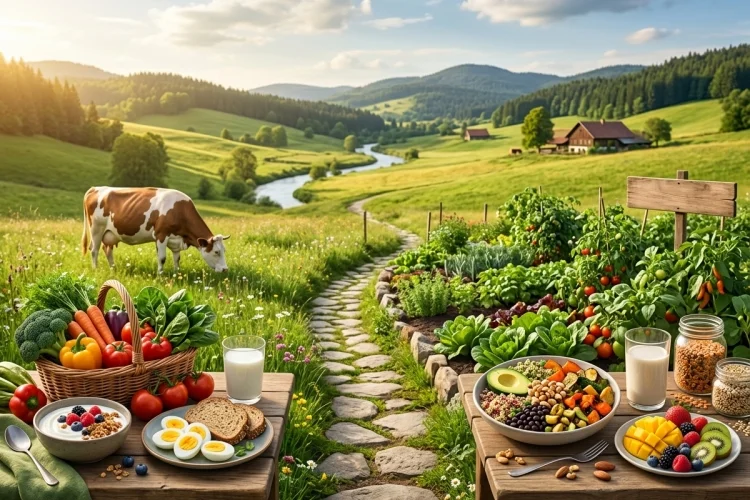
Vegetarian and vegan diets are often mentioned in the same conversation, so it is easy to assume they are basically identical. Both focus heavily on plant foods, but the rules-and sometimes the reasons behind them-can be quite different.
The simplest distinction is that vegetarians avoid meat and fish, while vegans avoid all foods derived from animals. That means a vegetarian may still eat eggs, milk, cheese, or yoghurt, whereas a vegan diet excludes those products as well.
However, the vegetarian vs. vegan comparison goes beyond a list of restricted foods. Each approach has several variations, nutritional considerations, practical challenges, and possible benefits.
People may also choose them for different reasons, including health, religion, environmental concerns, animal welfare, or personal preference. Neither label automatically guarantees a healthy diet.
A balanced vegetarian or vegan eating pattern can provide the nutrients your body needs, but it requires variety and sensible planning-especially when more food groups are excluded.
What Is a Vegetarian Diet?
A vegetarian diet excludes meat, poultry, fish, and seafood. However, many vegetarians continue to eat some animal-derived products.
The most common version is a lacto-ovo vegetarian diet, which includes both dairy products and eggs. Lacto-vegetarians eat dairy but avoid eggs, while ovo-vegetarians eat eggs but exclude dairy.
Because milk, yoghurt, cheese, and eggs remain available in many vegetarian diets, obtaining nutrients such as protein, calcium, vitamin B12, and riboflavin may be easier than it is on a completely vegan diet. That does not mean vegetarian diets require no planning, though.
A vegetarian who eats mostly refined bread, chips, sweets, and cheese may consume too little fibre, iron, or dietary variety. The healthiest versions are centred on vegetables, fruit, legumes, whole grains, nuts, seeds, and varied protein sources.
What Is a Vegan Diet?
A vegan diet excludes all animal-derived foods. This includes meat, poultry, fish, seafood, eggs, dairy products, and ingredients made from them.
Vegans generally build meals around vegetables, fruit, beans, lentils, whole grains, tofu, tempeh, nuts, seeds, and fortified foods. Alternatives such as plant-based drinks, dairy-free yoghurt, and meat substitutes may also be included.
For many people, veganism extends beyond food. They may also avoid leather, wool, cosmetics tested on animals, and other products connected to animal exploitation.
However, someone can follow a vegan diet for health or environmental reasons without adopting every lifestyle practice associated with veganism.
A varied vegan diet can provide most required nutrients, but fortified foods and supplements are often necessary. Vitamin B12 deserves particular attention because ordinary plant foods are not reliable natural sources.
The Main Differences Between Vegetarian and Vegan Diets
The major difference is how completely animal-derived products are excluded.
Both diets avoid meat and fish. Most vegetarians may still eat dairy products, eggs, or both, while vegans avoid every food made from animals.
This difference affects everyday choices. A cheese pizza might be suitable for a lacto-vegetarian but not for a vegan. Pasta containing eggs could fit some vegetarian diets, while vegans would need an egg-free version.
Hidden ingredients also matter. Gelatine is made from animal tissue, while some sauces, sweets, baked products, and supplements may contain milk, eggs, fish derivatives, or other animal-based ingredients.
Vegans usually need to read labels more carefully and may need more substitutions when eating at restaurants. Vegetarians often have a wider range of conventional menu options, although this depends heavily on location and cuisine.
Can Both Diets Provide Enough Protein?
Protein is one of the first concerns people raise about meat-free diets, but both vegetarians and vegans can meet their needs through careful food choices.
Vegetarians may obtain protein from eggs, milk, yoghurt, cheese, beans, lentils, tofu, tempeh, nuts, seeds, and whole grains. Vegans rely on the plant-based options from that list and exclude eggs and dairy.
Useful vegan protein sources include soy foods, lentils, chickpeas, kidney beans, peas, peanuts, quinoa, seeds, and whole grains. Eating varied sources throughout the day generally supplies the essential amino acids the body needs.
You do not normally need to combine specific plant proteins at every meal. Rice and beans, hummus with bread, or oats with soy milk are useful combinations, but dietary variety across the day is more important than perfect protein pairing.
Replacing some red or processed meat with legumes, nuts, and other high-quality plant proteins may also support better long-term health outcomes.
Which Nutrients Need Special Attention?
The more foods a diet excludes, the more important nutritional planning becomes. Vegans generally have a higher risk of missing certain nutrients, although vegetarians can also develop deficiencies.
1. Vitamin B12
Vitamin B12 supports red blood cell production and nervous-system function. Vegetarians may get it from eggs and dairy, but intake can still be low when those foods are eaten infrequently.
Vegans need a dependable source from fortified foods or supplements. Fortified plant drinks, breakfast cereals, and nutritional yeast may contain B12, but labels should always be checked.
2. Iron, Calcium, and Vitamin D
Beans, lentils, tofu, seeds, fortified cereals, and leafy vegetables contain iron. However, plant-based iron is generally absorbed less efficiently than the iron found in meat.
Pairing these foods with vitamin C can improve absorption. For example, combine lentils with tomatoes, tofu with peppers, or beans with citrus fruit.
Vegetarians may obtain calcium from dairy products. Vegans can choose fortified plant drinks, calcium-set tofu, sesame products, beans, and selected vegetables.
Vitamin D can be difficult to obtain from food in either diet. Sun exposure, fortified products, location, skin pigmentation, season, and individual health all affect whether supplementation may be appropriate.
3. Iodine and Omega-3 Fats
Iodine supports thyroid hormone production. Dairy foods may contribute iodine in vegetarian diets, while vegans may need iodised salt or a carefully selected supplement.
Plant omega-3 sources include walnuts, chia seeds, flaxseeds, and rapeseed oil. These provide alpha-linolenic acid, which the body can partially convert into the longer-chain omega-3 fats found in oily fish.
Pregnant people and those with specialised nutritional needs should discuss vegetarian or vegan supplementation with a qualified healthcare professional.
Are Vegetarian and Vegan Diets Healthier?
Both patterns can support good health when they prioritise whole and minimally processed foods. They often contain plenty of fibre, vitamins, minerals, and beneficial plant compounds.
A shift towards more plant-based protein may offer health benefits, particularly when beans, nuts, or lentils replace red and processed meat. However, long-term outcomes depend on the quality of the complete diet rather than the label attached to it.
A vegan diet built around vegetables, legumes, whole grains, nuts, and seeds is very different from one dominated by chips, sweets, refined bread, and sugary drinks. The same is true for vegetarian eating.
Packaged vegan burgers and dairy-free desserts can be convenient, but they may still contain high amounts of sodium, saturated fat, sugar, or refined ingredients. WHO recommends prioritising whole or minimally processed foods when replacing animal products.
Neither diet automatically causes weight loss. Body weight is still affected by total calorie intake, activity, sleep, health, and portion sizes.
Which Diet Is Easier to Follow?
A vegetarian diet is often easier socially because eggs and dairy appear in many restaurants, family meals, and convenience foods. It may require fewer substitutions and less label checking.
Vegan eating has become more accessible, but availability varies. Eating out, travelling, and attending social events may require additional preparation.
Budget also depends on food choices. Beans, lentils, rice, oats, vegetables, tofu, and seasonal fruit can be affordable. Speciality cheeses, meat substitutes, protein products, and imported vegan snacks can make either diet much more expensive.
Cooking skills can help. Simple meals such as bean chilli, lentil curry, tofu stir-fry, vegetable pasta, and tempeh with rice are usually cheaper and more nutritious than relying heavily on packaged alternatives.
The easier diet is the one that suits your values, budget, health needs, schedule, and willingness to plan.
How to Choose Between Vegetarian and Vegan
You do not have to make a permanent decision overnight. Begin by asking why you want to change your diet and how much restriction feels realistic.
Someone mainly interested in eating more plants may begin with vegetarian meals several times a week. Another person with strong animal-welfare concerns may prefer a fully vegan approach.
A gradual transition can make the change easier. Try replacing meat in familiar dishes with beans, lentils, tofu, or tempeh. Then experiment with plant-based breakfasts, dairy alternatives, and new recipes.
Pay attention to how the diet affects your energy, digestion, satisfaction, shopping costs, and social life. Make sure you have reliable sources of protein, iron, calcium, and vitamin B12.
Children, pregnant people, older adults, athletes, and anyone managing a medical condition may benefit from guidance from a registered dietitian or another qualified professional.
The main difference between vegetarian and vegan diets is the extent to which animal products are excluded. Vegetarians avoid meat and fish but may eat eggs and dairy, while vegans remove all animal-derived foods.
Both approaches can be balanced, nutritious, and enjoyable when they are based on vegetables, fruit, legumes, whole grains, nuts, seeds, and appropriate protein sources.
Vegan diets require more attention to vitamin B12 and may also need careful planning for calcium, iron, iodine, vitamin D, and omega-3 fats.
Start by testing one plant-based meal you genuinely enjoy. Replace meat with lentils, tofu, tempeh, or beans, then decide whether a flexible vegetarian diet or fully vegan lifestyle fits your needs and values best.