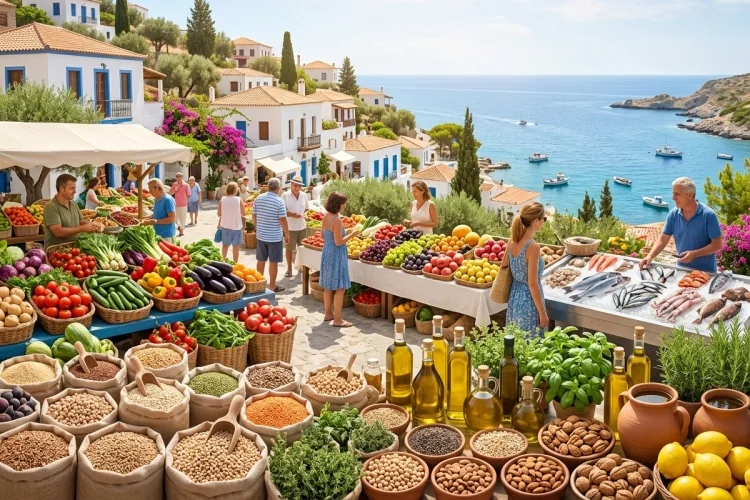
The word “diet” often suggests strict rules, tiny portions, and a long list of foods you are not allowed to eat. The Mediterranean diet is different.
It is less about following a rigid programme and more about building an enjoyable eating pattern around nutritious, minimally processed foods.
So, what is the Mediterranean diet? It is a way of eating inspired by traditional food cultures in countries bordering the Mediterranean Sea, including Greece, Italy, Turkey, Lebanon, Spain, and Tunisia.
While meals vary widely between these places, they share several common features. The Mediterranean eating pattern emphasises vegetables, fruit, whole grains, beans, lentils, nuts, seeds, olive oil, herbs, and spices.
Fish and seafood are eaten regularly, while poultry, eggs, yoghurt, and cheese usually appear in moderate portions. Red meat, sweets, sugary drinks, and heavily processed foods are limited rather than necessarily banned.
Its flexibility is one reason the Mediterranean diet has become so popular. You can adapt its basic principles to your budget, culture, preferences, and locally available ingredients.
What Is the Mediterranean Diet?
The Mediterranean diet is not a single meal plan with fixed calorie targets or exact serving sizes. It describes a broad dietary pattern based mainly on whole plant foods and unsaturated fats.
Traditional Mediterranean meals were shaped by local agriculture, seasonal produce, family recipes, and regional cooking methods.
A meal in Greece may look different from one in Morocco or southern Italy, yet both may include vegetables, legumes, grains, olive oil, and modest portions of animal products.
The pattern generally places vegetables, fruit, whole grains, beans, nuts, seeds, olive oil, herbs, and spices at the centre of everyday meals. Fish is usually preferred over red or processed meat, while dairy foods and eggs are consumed in moderate amounts.
It also focuses on the overall eating pattern rather than one magical ingredient. Simply pouring olive oil over an otherwise highly processed diet does not create a Mediterranean lifestyle.
The Core Foods of a Mediterranean Diet
1. Vegetables and Fruit
Vegetables and fruit provide fibre, vitamins, minerals, and beneficial plant compounds. Mediterranean-style meals often include several types of produce rather than treating vegetables as a small decoration on the side.
Tomatoes, leafy greens, aubergines, peppers, onions, courgettes, oranges, grapes, apples, and berries are familiar examples. However, you do not need produce grown near the Mediterranean Sea. Local vegetables and seasonal fruit can serve the same purpose.
Try filling a substantial part of your plate with vegetables. Add fruit to breakfast, eat it as a snack, or serve it as a simple dessert instead of relying on sweets every day.
2. Whole Grains and Legumes
Whole grains such as oats, brown rice, barley, whole-wheat bread, bulgur, and whole-grain pasta provide energy and fibre. Beans, chickpeas, and lentils offer carbohydrates, plant protein, minerals, and additional fibre.
These foods make meals affordable and satisfying. A bowl of lentil soup with whole-grain bread, for example, can follow Mediterranean principles without requiring expensive ingredients.
Beans can also replace some meat in stews, salads, pasta dishes, and rice bowls. This helps increase plant-food intake while adding variety to your weekly meals.
3. Olive Oil, Nuts, and Seeds
Extra virgin olive oil is traditionally the main added fat in the Mediterranean diet. It is used for cooking, salad dressings, sauces, and finishing dishes.
Nuts and seeds also provide unsaturated fats, protein, and fibre. Walnuts, almonds, pistachios, sesame seeds, and sunflower seeds can be added to yoghurt, oats, salads, or vegetable dishes.
These foods are nutritious but energy-dense, so sensible portions still matter. The aim is generally to replace sources of saturated fat with unsaturated alternatives, not simply add unlimited oil and nuts to every meal.
How Animal Foods Fit into the Diet
The Mediterranean diet is mainly plant-focused, but it is not necessarily vegetarian.
Fish and seafood are commonly eaten more often than red meat. Oily fish such as sardines, salmon, anchovies, and mackerel supply protein and omega-3 fatty acids.
Poultry and eggs can also appear regularly, while yoghurt and cheese are usually eaten in moderate portions. Red and processed meats tend to be limited and may be reserved for occasional meals rather than used as everyday staples.
This does not mean you need to eliminate your favourite meat dish. You could reduce the portion, serve it less frequently, and add more vegetables, beans, or whole grains to the meal.
Vegetarians can follow the same eating pattern by relying on beans, lentils, tofu, nuts, seeds, dairy foods, and eggs for protein. Vegan versions require more attention to nutrients such as vitamin B12, but the general plant-centred structure remains suitable.
Which Foods Are Limited?
The Mediterranean diet limits foods that are highly processed or contain large amounts of added sugar, sodium, refined carbohydrates, and saturated fat.
Sugary drinks, sweets, processed meats, packaged snacks, refined baked goods, and frequent fast-food meals are not usually central to the pattern. Butter and fatty meats are generally used less often because olive oil, nuts, seeds, and fish provide alternative fat sources.
“Limited” does not mean completely forbidden. You can still enjoy cake at a birthday, takeaway food with friends, or a favourite dessert. The overall frequency and proportion are more important than one individual meal.
Wine is sometimes associated with Mediterranean culture, but alcohol is not an essential part of the diet. People who do not currently drink should not start for supposed health benefits, and those who do drink must consider personal health risks and medical guidance.
What Are the Potential Health Benefits?
The Mediterranean diet is best known for its connection with heart health. Its emphasis on vegetables, legumes, whole grains, fish, nuts, and unsaturated fats aligns closely with established recommendations for cardiovascular health.
The PREDIMED randomised trial studied adults at high cardiovascular risk. It found that Mediterranean dietary patterns supplemented with extra virgin olive oil or nuts reduced the incidence of major cardiovascular events compared with the control diet.
Research has also associated stronger adherence to the pattern with healthier cholesterol, blood pressure, blood-sugar management, and long-term cardiovascular outcomes. However, these benefits come from the combined eating pattern rather than from a single food.
The high-fibre foods included in the diet may support digestion and a diverse gut microbiome. Meanwhile, replacing large amounts of saturated fat with unsaturated fat can support healthier blood lipid levels.
No diet can guarantee protection from disease. Genetics, physical activity, sleep, smoking, healthcare, and other lifestyle factors also influence long-term health.
Can the Mediterranean Diet Help with Weight Loss?
The Mediterranean diet was not originally designed as a quick weight-loss programme. You do not have to count calories, purchase meal replacements, or follow a strict eating schedule.
However, it may support weight management when portion sizes and total energy intake match your goals. Fibre-rich vegetables, whole grains, legumes, nuts, and protein foods can make meals satisfying, which may help some people manage hunger.
Calories still matter. Olive oil, nuts, seeds, cheese, and bread can contribute substantial energy when portions become very large. Following Mediterranean food choices does not automatically create a calorie deficit.
Harvard’s review notes that the eating pattern can support healthy weight loss when paired with appropriate calorie control. It may also be easier for some people to maintain because it allows variety and enjoyable foods rather than relying on extreme restriction.
How to Start Eating Mediterranean-Style
You do not need to transform your diet overnight. Begin by improving meals you already eat.
Replace some refined grains with whole-grain versions. Add beans or lentils to soups, curries, salads, and rice dishes. Include vegetables at both lunch and dinner rather than waiting for one especially “healthy” meal.
Try replacing butter or creamy dressings with modest amounts of olive oil. Choose fish, beans, tofu, or poultry more frequently in place of processed or fatty meat.
Use garlic, lemon, pepper, chilli, basil, oregano, parsley, cumin, or other herbs and spices to build flavour. Mediterranean-style eating is not supposed to taste bland.
You can also adopt the lifestyle aspects surrounding the diet. Cooking more often, eating slowly, sharing meals, staying physically active, and enjoying food socially are commonly associated with Mediterranean traditions.
A Simple Mediterranean-Style Day
Breakfast could be plain yoghurt with oats, fruit, and walnuts. Another option is whole-grain toast topped with tomatoes, eggs, and a little olive oil.
For lunch, try a chickpea salad with cucumber, tomatoes, leafy greens, olive oil, and whole-grain bread. Leftover lentil soup with fruit would also work well.
Dinner might include grilled fish, brown rice, and roasted vegetables. A vegetarian alternative could combine beans, whole-grain pasta, tomatoes, spinach, and herbs.
Snacks are optional and should reflect your hunger. Fruit, plain yoghurt, vegetables with hummus, or a small handful of nuts are practical choices.
These meals do not need to use imported Mediterranean products. Tempeh, local fish, seasonal vegetables, brown rice, beans, and tropical fruit can all be used within the same basic framework.
The Mediterranean diet is a flexible eating pattern centred on vegetables, fruit, whole grains, beans, nuts, seeds, olive oil, and minimally processed foods.
Fish and poultry are generally chosen more often than red meat, while sweets and highly processed products are kept in moderation.
Its potential benefits are linked to the complete dietary pattern, not to one ingredient or supplement. It can also be adapted to different cuisines, budgets, and dietary preferences.
Start with one realistic change this week. Add beans to a familiar meal, serve an extra vegetable with dinner, switch to whole-grain bread, or choose fish instead of processed meat.
Once that change becomes easy, introduce another. Building Mediterranean-style habits gradually is more sustainable than trying to create a perfect menu immediately.